Also known as
Coffee, tea, cocoa, soft drinks, energy drinks, pro plus, slimming tablets
Classification
Stimulanta drug that acts on the Central Nervous System, increasing some rates of function such as heart-rate, diuretic
Overview
Caffeine (1, 3, 7- trimethylxanthine) is a toxin that some plants produce to defend themselves. Small amounts are not harmful to humans, but have stimulanta drug that acts on the Central Nervous System, increasing some rates of function such as heart-rate effects, making users feel more alert and energised. Typical use of the drug comes from caffeinated drinks such as coffee and tea, and also soft drinks such as cola and ‘energy drinks’.
Like other stimulanta drug that acts on the Central Nervous System, increasing some rates of function such as heart-rate drugs such as cocaine, caffeine in high enough doses can harm and kill. However caffeine use is very much safer and more manageable than the use of cocaine and other potent stimulants, and only exceptionally rarely causes serious harm 1.
Caffeine is the world’s most widely consumed psychoactive drug that acts as a stimulanta drug that acts on the Central Nervous System, increasing some rates of function such as heart-rate drug. When consumed caffeine acts as a central nervous systembrain and spinal cord stimulanta drug that acts on the Central Nervous System, increasing some rates of function such as heart-rate, waking up the user from a drowsy state and producing feelings of alertness. Caffeine is a legal and unregulated drug that is found in many different types of beverages such as; soft drinks, coffee, tea and energy drinks. Approximately 90% of North American adults consume caffeinated drinks each day 2.
Source
Caffeine can be manufactured in a laboratory but it mainly comes from the Arabian coffee shrub, commercial tea plants, cocoa beans and kola nuts. Coffee is grown in many areas of the world including Africa, Arabia, Central and South America, Java and Sumatra and the West Indies. Tea is mainly grown in eastern Asia and South America especially India, China, Indonesia, Sri Lanka and Japan. Most of the world’s cocoa is grown in West Africa 3.
It’s found in the seeds, nuts and leaves of a number of different plants, including –
Why take it?
Sought after effects
- mild stimulationcan be defined as any changes in a person's energy levels which are interpreted as stimulating and encouraging when it comes to movement and physical activities such as running, walking, cleaning, socializing, dancing, and climbing More,
- alertness,
- reduces feelings of tiredness 6.
Undesired effects
- sleeplessness,
- tension,
- palpitations,
- anxiousness 6.
What are the different forms of caffeine?
On average in the UK, we drink nearly 123 million cups of tea per day, each cup containing about 40mg of caffeine, but more if the tea is left to brew longer.
Coffee is almost as popular with 90 million cups of coffee consumed a day. About 70% of this is instant coffee containing around 60mg of caffeine per cup 3.
Caffeinated drinks (generally low risks of harm)
Caffeine is found in drinks like coffee, tea, and mate (a tea drunk in Argentina). Caffeine can also be found in ‘energy drinks’ which have high caffeine content, and some soft drinks. In Europe, drinks (not based on coffee or tea) with a caffeine content of more than 150 mg per litre, have to be labelled as high caffeine content with the amount of caffeine on it.
Shops also sell caffeine shots, which are small amounts of sugary drink with a high caffeine content. Like alcohol shots, it is easy to drink a lot of these quickly before realising you have had too much.
It is common to become addicted to caffeinated drinks, in that stopping use will lead to withdrawal symptoms, although most people would not find it difficult to stop caffeine use.
Caffeine is often listed as a flavouring on soft drinks, although it may not be the case that caffeine adds to the taste of the drink, rather it increases the desire to consume it 1.
Coffee
Over 50% of Americans drink coffee daily. The amount of caffeine a cup of coffee contains varies a great deal, depending on the strength of the particular brand of coffee, and the method of brewing – which determines how concentrated the caffeine is. And, don’t forget, the size of your coffee cup will also determine how much caffeine it contains.
The amount of caffeine you actually consume will depend, then, on the strength of your coffee, and the size of the cup. For example, a shot of expresso, the strongest type of coffee, contains about 50mg of caffeine per fl oz, but as a shot is only 2 fl oz, it would give you 100mg of caffeine, the same amount as an 8 fl oz cup of brewed coffee. Instant coffee is weaker at about 50mg per 8 fl oz cup 7.
Tea
The many different types of tea vary from containing high levels of caffeine, to herbal teas which contain no caffeine at all.
Regular tea, usually an Orange Pekoe or Black tea blend, contain about the same amount of caffeine as instant coffee – 50 mg per 8 fl oz cup. But you can always steep your tea for longer, and get a stronger beverage, so the amount of caffeine in a cup of tea varies from about 20mg to 80mg per 8 fl oz cup.
There is some variation among different types of tea, with Chai ranging from about 60-120mg of caffeine per 8 fl oz cup, Assam black tea about 80mg per 8 fl oz cup, Earl Grey and Darjeeling teas containing average amounts of caffeine at around 50mg, Oolong having only 40mg, Green tea, 25mg, and White tea, 15mg 7.
Chocolate
The amount of caffeine in chocolate varies, according to the brand and the type of chocolate. On average, milk chocolate contains about 18mg of caffeine per 100g. That doesn’t seem like much, but for a chocoholic, it can easily add up.
Dark chocolate contains much more caffeine, with dark chocolate containing upwards of 70mg of caffeine per 100g bar – almost as much as you get in a cup of coffee.
Some manufacturers add extra caffeine to chocolate to produce a stronger caffeine hit – typically around 100mg caffeine per piece, about the same amount as you would get in a shot of expresso coffee. Other types of caffeine-loaded sweets, mints and gum are available.
White chocolate doesn’t usually contain caffeine 7.
Soft drinks
Soft drinks, typically marketed to children, often contain rather a lot of caffeine. Cola is the most well-known source of caffeine, containing from about 30mg – 60mg caffeine per 330ml can, depending on the brand. We are reminded of the similarity between cola and coffee by the distinctive brown colouring, so many parents make the mistake of thinking lemonade type clear soft drinks don’t contain caffeine, although many of them do. Some contain the same amount as cola, or even more.
Iced tea and root beer are also common sources of caffeine, containing similar amounts to regular tea, often consumed in larger amounts. However, some brands of soft drinks do not contain any caffeine, or contain lower amounts, so it is worth checking the label to see 7.
Caffeine tablets (low risk if used according to directions, potential for overdose if misused)
Caffeine tablets are legal and are used to increase alertness. Some beliefs about their effectiveness, for example in improving exam performance, are not wholly supported by the evidence. They do not replace the need for sleep, in fact a nap can be much more beneficial 1.
Caffeine as an adulterant in illegal drugs (could sometimes be harmful)
Analysis of drug samples show that caffeine is commonly added, which adds bulk cheaply and so increases the dealers’ profits. Caffeine has been identified in heroin, where it may make the drug easier to smoke. It is commonly added to stimulanta drug that acts on the Central Nervous System, increasing some rates of function such as heart-rate drugs like cocaine, amphetamines (speed) and MDMASee Ecstasy More (ecstasy) where its stimulanta drug that acts on the Central Nervous System, increasing some rates of function such as heart-rate effects may disguise how impure the drug is, and may also increase the risks 1.
Caffeine in ‘legal highs’ (potential for harm)
‘Legal highs’ are not effectively regulated, meaning that their content can be at least as unpredictable as illegal drugs can. A study testing seven ‘legal highs’, none of which were labelled as containing caffeine, found that caffeine was actually the only psychoactive drug in them. Four of them were almost all caffeine, and two were almost half caffeine. Taking a large quantity of these substances could cause a caffeine overdose 1.
Dosage
How long do its effects last?
Onset of effects
Come up
- oral – 15 – 45 minutes (dependant on form and stomach contents) 11.
Peak
- oral – 1 – 2 hours 12.
Duration of effects
Coming down
- oral – 2 – 3 hours 11.
Pharmacology
All psychoactive drugs, including caffeine, achieve their effects by imitating or altering the release or uptake of neurotransmitters, the chemical messengers that direct how the neurons of the CNSthe Central Nervous System, upon which certain drugs act interact with each other. Neurotransmitters are altered by drugs in a variety of ways, including increasing or decreasing their synthesis, inhibiting or enhancing their transport, modifying their storage, release, or the way they are degraded, or simply by directly mimicking their activity or, alternatively, by blocking their action at the receptor site 13.
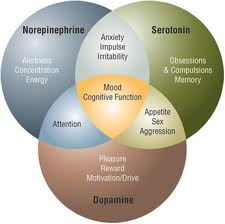
Caffeine achieves many of its effects by blocking the activity of adenosine, a neurotransmitter that affects almost every bodily system. Because one of the primary actions of adenosine is to make us tired or sleepy, caffeine, by blocking the uptake of adenosine, keeps us from feeling the effects of fatiguea feeling of weariness, tiredness, or lack of energy. More. But scientists have learned that, largely as a consequence of its blockade of adenosine receptorsnerve endings that sense changes in the body More, caffeine also has profound effects on most of the other major neurotransmitters, including dopamine, acetylcholine, serotonin, and, in high doses, on norepinephrine. By affecting these other neurotransmitters, it is able to deliver a major boost to our capacities even when we are well-rested, something that could not be explained by the inhibition of adenosine alone. By increasing the transmission of dopamine, caffeine improves our mood and may protect brain cells from age and disease related degeneration. By increasing the activity of acetylcholine, caffeine increases muscular activity and may also improve long-term memory. By raising and adjusting serotonin levels, caffeine relieves depression, makes us more relaxed, alert, and energetic, and relieves migraine headaches 13.
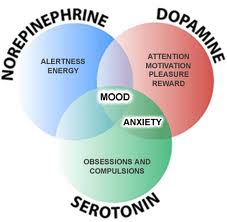
Caffeine hinders the action of the adenosine. Adenosine dampens down brain activity, so by getting in its way (competitive inhibition) caffeine stimulates many circuits in the brain.
Caffeine also works because we have powerful beliefs about its properties. If you consume caffeine without believing something like I’m consuming caffeine which will make me more alert, the caffeine may not increase your alertness at all 1.
Caffeine’s mechanism of action is mostly through the adenosine receptor (antagonist at all of them) which causes the stimulationcan be defined as any changes in a person's energy levels which are interpreted as stimulating and encouraging when it comes to movement and physical activities such as running, walking, cleaning, socializing, dancing, and climbing More.
Since Caffeine is both lipid and water soluble it crosses the blood brain barrier with ease 8.
Caffeine acts through several mechanisms, but its most important effect is to counteract a substance called adenosine that naturally circulates at high levels throughout the body, and especially in the nervous system. In the brain, adenosine plays a generally protective role, part of which is to reduce neural activity levels. The principal mode of action behind caffeine is as a nonselective antagonist of adenosine receptorsnerve endings that sense changes in the body More. The caffeine molecule is structurally similar to adenosine, and is thus capable of binding to adenosine receptorsnerve endings that sense changes in the body More on the surface of cells without activating them, thereby acting as a competitive inhibitor 14.
Along side of this, caffeine also has profound effects on most of the other major neurotransmitters, including dopamine, acetylcholine, serotonin, and, in high doses, on norepinephrine 13, and to a small extent epinephrine, glutamate, and cortisol. At high doses, exceeding 500 milligrams, caffeine inhibits GABAGamma-aminobutyric acid (GABA) is an inhibitory neurotransmitter in your brain, meaning it slows your brain's functions. GABA is known for producing a calming effect. neurotransmission. GABAGamma-aminobutyric acid (GABA) is an inhibitory neurotransmitter in your brain, meaning it slows your brain's functions. GABA is known for producing a calming effect. reduction explains why caffeine increases anxiety, insomniadifficulty in going to sleep or in getting enough sleep, rapid heart and respiration rate at high dosages 12.
Pharmacodynamics
Caffeine, a naturally occurring xanthine derivative like theobromine and the bronchodilator theophylline, is used as a CNSthe Central Nervous System, upon which certain drugs act stimulanta drug that acts on the Central Nervous System, increasing some rates of function such as heart-rate, mild diuretic, and respiratory stimulanta drug that acts on the Central Nervous System, increasing some rates of function such as heart-rate (in neonates with apnoeaSuspension of breathing. During apnoea, there is no movement of the muscles of inhalation, and the volume of the lungs initially remains unchanged. More of prematurity). Often combined with analgesics or with ergot alkaloids, caffeine is used to treat migraine and other headache types. OTCdrugs that are available as medicines in pharmacies without a prescription; the mnemonic stands for over-the-counter, meaning you can buy it easily caffeine is available to treat drowsiness or mild water-weight gain 15.
Pharmacokinetics
Caffeine is metabolised in the liver by the cytochrome P450 oxidase enzyme system (specifically, the CYP1A2 isozyme) into three metabolic dimethylxanthines: paraxanthine, theobromine and theophylline 16.
- Paraxanthine increases lipolysisA non-surgical treatment which breaks down fat cells and these cells are then excreted by the body. More, leading to elevated glycerol and free fatty acid levels in the blood plasma.
- Theobromine dilates blood vessels and increases urine volume. Theobromine is also the principal alkaloid in cocoa, and therefore chocolate.
- Theophylline relaxes smooth muscles of the bronchi, and is used to treat asthma 16.
Each of these caffeine metabolites is further metabolised into various methyluric acids and then excreted in the urine 16.
Hepatic cytochrome P450 1A2 (CYP 1A2) is involved in caffeine biotransformation. About 80% of a dose of caffeine is metabolised to paraxanthine (1,7-dimethylxanthine), 10% to theobromine (3,7-dimethylxanthine), and 4% to theophylline (1,3-dimethylxanthine) 17.
Mechanism of action
Caffeine stimulates medullary, vagal, vasomotor, and respiratory centers, promoting bradycardiawhen the heart beats very slowly, vasoconstrictionnarrowing of the blood vessels resulting from contraction of the muscular wall of the vessels (in particular the large arteries and small arterioles), and increased respiratory rate. This action was previously believed to be due primarily to increased intracellular cyclic 3′,5′-adenosine monophosphate (cyclic AMP) following inhibition of phosphodiesterase, the enzyme that degrades cyclic AMP. It is now thought that xanthines such as caffeine act as antagonists at adenosine-receptors within the plasma membrane of virtually every cell. As adenosine acts as an autocoid, inhibiting the release of neurotransmitters from presynaptic sites but augmenting the actions of norepinephrine or angiotensin, antagonism of adenosine receptorsnerve endings that sense changes in the body More promotes neurotransmitter release. This explains the stimulatory effects of caffeine. Blockade of the adenosine A1 receptor in the heart leads to the accelerated, pronounced “pounding” of the heart upon caffeine intake
Absorption
Readily absorbed after oral or parenteral administration. The peak plasma level for caffeine range from 6 – 10mg/L and the mean time to reach peak concentration ranged from 30 minutes to 2 hours 17.
Bioavailability
Half-life
3 to 7 hours in adults, 65 to 130 hours in neonates 17.
Elimination
In young infants, the elimination of caffeine is much slower than that in adults due to immature hepatic and/or renal function 17.
Lethal dosage
The LD50the amount of a material, given all at once, which causes the death of 50% (one half) of a group of test animals. The LD50 is one way to measure the short-term poisoning potential (acute toxicity) of a material of caffeine is 190 milligrams per kilogram 8.
Extreme overdose can result in death 18, 19. The LD50the amount of a material, given all at once, which causes the death of 50% (one half) of a group of test animals. The LD50 is one way to measure the short-term poisoning potential (acute toxicity) of a material given orally is 192 milligrams per kilogram in rats. The LD50the amount of a material, given all at once, which causes the death of 50% (one half) of a group of test animals. The LD50 is one way to measure the short-term poisoning potential (acute toxicity) of a material of caffeine in humans is dependent on individual sensitivity, but is estimated to be about 150 to 200 milligrams per kilogram of body mass or roughly 80 to 100 cups of coffee for an average adult 20. Though achieving lethal dose of caffeine would be difficult with regular coffee, it is easier to reach high doses with caffeine pills, and the lethal dose can be lower in individuals whose ability to metabolise caffeine is impaired 12.
127 mg/kg (orally in mice) 17.
Tolerance
- full tolerancethis is the process by which the receptors in your brain become habituated to the action of a drug. When tolerance is reached, more of the drug is required to achieve the same effect. With benzodiazepines, and probably with many other classes of drugs as well, tolerance is virtually always associated with some degree of physical dependence. If you find that you are experiencing tolerance, this is a clear warning sign that you may have formed a dependence. More is reached with prolonged and repeated use,
- decreases to half after 3 – 7 days,
- returns to baseline after 1 – 2 weeks 12.
Mode of use
Caffeine is used in a number of different products. The amount of caffeine in these products can vary dramatically, so it’s always best to check the label, but the average amounts are listed below.
| Product | Average caffeine |
|---|---|
| content (mg/100 ml) | |
| Red Bull | 32.0 |
| Mountain Dew | 15.0 |
| Coca Cola | 9.7 |
| Diet Coke | 9.7 |
| Coke Zero | 9.6 |
| Brewed black tea | 22.5 |
| Brewed green tea | 12.1 |
| Coffee, cappuccino | 101.9 |
| Coffee, flat white | 86.9 |
| Coffee, long black | 74.7 |
| Coffee, from ground coffee beans, espresso style | 194.0 |
| Chocolate, milk with added milk solids | 20.0 |
| Chocolate, dark, high cocoa solids | 59.0 5 |
Caffeine is widely used to improve alertness and elevate moods. Certain pain relievers contain caffeine, as the compound has been shown to increase drug effectiveness and help the body absorb the pain relieving drug more quickly 21.
In caffeine beverages like the wide varieties of tea and coffee drinks, cold soft fizzy drinks like colas, eaten in chocolate products, or as a flavouring in various foods. It is also used in over the counter medicines like Pro Plus as an aid the relieving tiredness and fatiguea feeling of weariness, tiredness, or lack of energy. More, and also in some types of slimming tablets 6.
- caffeine may be taken with or without food. If caffeine upsets your stomach, take it with food.
- do not exceed the recommended dose of caffeine. Caffeine can be habit-forming.
- most OTCdrugs that are available as medicines in pharmacies without a prescription; the mnemonic stands for over-the-counter, meaning you can buy it easily medications used for mental alertness contain 200 milligrams of caffeine per tablet or capsule. The usual maximum recommended dose of OTCdrugs that are available as medicines in pharmacies without a prescription; the mnemonic stands for over-the-counter, meaning you can buy it easily caffeine is no more than 200 mg every 3 – 4 hours, or 1600 mg per day.
- do not double-up on your caffeine dose if you should miss the time for next dose 9.
Effects
Caffeine has stimulanta drug that acts on the Central Nervous System, increasing some rates of function such as heart-rate effects and makes people more alert, reducing feelings of tiredness. It is widely believed to improve mental performance but the evidence for this is mixed. It has been suggested that the appearance of performance enhancement is because caffeine reverses withdrawal effects in regular users rather than improving overall mental ability. In people who are not regular users, any improvement is likely to be counteracted by anxiety and jitteriness which make it difficult to focus. Caffeine may in some circumstances increase a feeling of alertness whilst actually decreasing ability.
Caffeine causes sweating and also makes people urinate more, although tolerancethis is the process by which the receptors in your brain become habituated to the action of a drug. When tolerance is reached, more of the drug is required to achieve the same effect. With benzodiazepines, and probably with many other classes of drugs as well, tolerance is virtually always associated with some degree of physical dependence. If you find that you are experiencing tolerance, this is a clear warning sign that you may have formed a dependence. More to this effect develops quickly so people who, for example, drink coffee every morning usually do not find this to be a problem. Caffeine can also lead to insomniadifficulty in going to sleep or in getting enough sleep.
Some people become anxious or irritable after caffeine. Unpleasant feelings become more likely the higher the amount you consume 1.
Caffeine is an ‘upper’ and helps stimulate the body, increasing heart rate and blood pressure. It combats tiredness and drowsiness and makes people feel more alert and able to concentrate. Many people have a cup of tea or coffee every morning to ‘get going’. However, people also drink tea and coffee to help them relax. Caffeine also makes people urinate more. High doses can result in people having headaches and feeling very irritable.
People who drink more than 6 to 8 cups of normal strength tea or coffee a day usually become dependent.
They may find it difficult to stop using and experience withdrawal symptoms if they try 3.
Short-term effects
The following effects may be experienced between 5 to 30 minutes after consuming caffeine, and may continue for up to 12 hours –
- feeling more alert and active,
- restlessness,
- excitability,
- dizziness,
- anxiety,
- irritability,
- dehydration,
- needing to urinate more often,
- higher body temperature,
- faster breathing and heart rate,
- headache,
- lack of concentration,
- stomach pains 22, 5.
Children and young people who consume energy drinks containing caffeine may also suffer from –
Long-term effects
Regular, heavy use of caffeine (such as more than 4 cups of coffee a day) may eventually cause –
Physical effects
- bronchodilation,
- stamina enhancement,
- stimulationcan be defined as any changes in a person's energy levels which are interpreted as stimulating and encouraging when it comes to movement and physical activities such as running, walking, cleaning, socializing, dancing, and climbing More,
- tactile enhancement,
- appetite suppression,
- dizziness,
- frequent urination,
- increased blood pressure,
- increased heart rate,
- increased perspiration,
- nausea,
- teeth grinding,
- vasoconstrictionnarrowing of the blood vessels resulting from contraction of the muscular wall of the vessels (in particular the large arteries and small arterioles) 12.
Cognitive effects
- anxiety,
- cognitive euphoriastate of intense well-being, happiness, and excitement More,
- compulsive redosing,
- depression,
- irritability,
- analysis enhancementbest described as a subtle to distinct enhancement of one's overall ability to process information and logically or creatively analyse concepts, ideas and scenarios. The experience of this leads onto deep and complex states of contemplation which often result in an abundance of new and insightful ideas. This gives the person a powerful ability to dissect and rationally analyse concepts and problems, allowing them to gain insights and reach new conclusions, perspectives and solutions which would have been otherwise difficult to conceive of. More,
- focus enhancement,
- increased libido,
- memory enhancement,
- motivation enhancement,
- stamina enhancement,
- thought acceleration,
- wakefulness,
- cognitive fatiguethe decline in the ability to think effectively and maintain focus. More,
- motivation suppression,
- thought deceleration 12.
After effects
- anxiety,
- cognitive fatiguethe decline in the ability to think effectively and maintain focus. More,
- depression,
- irritability,
- motivation suppression,
- thought deceleration,
- wakefulness 12.
Coming down
Some people consume drinks with caffeine so that they can continue working or studying at night. However, the after-effect is that they will feel tired and lethargic the next day 5.
Overdose
In higher doses, caffeine can cause panicked thinking, racing thoughts, and an uncomfortable bodyload. With ordinary use, people tend to experience little to no after-effects from caffeine alone 8.
Positive
- stimulationcan be defined as any changes in a person's energy levels which are interpreted as stimulating and encouraging when it comes to movement and physical activities such as running, walking, cleaning, socializing, dancing, and climbing More,
- mild euphoriafeelings of joy and happiness,
- increase in cognitive abilities,
- increased drive,
- increased focus 8.
Neutral
- basal metabolic rate increase,
- decreased appetite,
- increased perspiration,
- respiratory rate increase,
- heart rate increase,
- diuretic effects 8.
Negative
- anxiety,
- jitters,
- feelings of discomfort 8.
After effects
- tiredness (crash),
- irritability 8.
Risks
Low or moderate caffeine consumption has minimal risks.
Caffeine can cause insomniadifficulty in going to sleep or in getting enough sleep so people often avoid it in the evenings so that they can sleep properly. The half-lifethe amount of time required for the amount of something to fall to half its initial value of caffeine is around 5 hours, meaning that after a cup of coffee at 6pm, an individual will still have half the caffeine left in their body at 11pm, and a quarter at 4am, disrupting sleep. Individuals vary in their reaction to caffeine, so the half-lifethe amount of time required for the amount of something to fall to half its initial value could be much longer or shorter than 5 hours.
Regular high intake of caffeine is thought to cause behavioural changes including restlessness and anxiety/nervousness. It may increase the frequency of headaches in some.
Very excessive caffeine consumption can be harmful and even fatal. Most people who suffer harm after consuming caffeine have taken excessive numbers of caffeine tablets, or consumed excessive quantities of highly caffeinated energy drinks, sometimes mixed with alcohol.
Taking too much caffeine results in symptoms similar to taking too much of a stimulanta drug that acts on the Central Nervous System, increasing some rates of function such as heart-rate drug, with overdoses causing anxiety/agitation, convulsionswhen your body shakes violently without you meaning it to, tremors and hallucinationswhere someone sees, hears, smells, tastes or feels things that don't exist outside of their mind. People admitted to hospital after taking large amounts of caffeine typically have tachycardiarapid pulse rate and hypertensionhigh blood pressure. Additionally, a common feature of caffeine overdose is vomiting, which can be very severe. Other gastrointestinal problems such as diarrhoeaWhere you frequently pass watery or loose faeces and stomach pains have also been reported. People have died from caffeine overdose, and some deaths have been associated with high caffeine content energy drinks 1.
Short-term
If a large amount of caffeine is consumed it could also cause an overdose.
- tremors,
- nausea,
- vomiting,
- very fast and irregular heart rate,
- confusiontrouble focusing, slow or disorganised thinking, poor short-term memory, unsure of time or place, or having difficulty following a conversation,
- panic attack,
- seizuresthe outward effect can vary from uncontrolled jerking movement (tonic-clonic seizure) to as subtle as a momentary loss of awareness More 24, 5.
It is possible to die from having too much caffeine, but this is extremely rare. This would usually only happen if 5 – 10 grams of caffeine (or 80 cups of strong coffee) were consumed one after the other 4.
In small children, caffeine poisoning can happen if a lower amount, such as around 1 gram of caffeine (equal to around 12 energy drinks) is consumed one after the other 25, 5.
Usually in excess of about 300 milligrams, dependent on body weight and level of caffeine tolerancethis is the process by which the receptors in your brain become habituated to the action of a drug. When tolerance is reached, more of the drug is required to achieve the same effect. With benzodiazepines, and probably with many other classes of drugs as well, tolerance is virtually always associated with some degree of physical dependence. If you find that you are experiencing tolerance, this is a clear warning sign that you may have formed a dependence. More, can result in a state of central nervous systembrain and spinal cord over-stimulation called caffeine intoxication (“caffeine jitters”).
The symptoms of caffeine intoxication are similar to overdoses of other stimulants and may include –
- restlessness,
- nervousness,
- excitement,
- insomniadifficulty in going to sleep or in getting enough sleep,
- facial flushing,
- increased urination,
- gastrointestinal disturbances,
- muscle twitching,
- irritability 6.
In cases of much larger overdoses –
- mania,
- disorientation,
- hallucinationswhere someone sees, hears, smells, tastes or feels things that don't exist outside of their mind,
- psychosis 6.
In cases of extreme overdose, death can result. Achieving a lethal dose with caffeine would be difficult with regular coffee, but there have been reported deaths from overdosing on caffeine pills 6.
Long-term
- restlessness,
- acute anxiety,
- dependence 6.
Caffeinism
Caffeine is a drug that in large amounts, especially over an extended period of time, can lead to a condition termed “caffeinism.” Caffeinism usually combines physical addiction with a wide range of unpleasant physical and mental conditions including nervousness, irritability, anxiety, tremulousness, muscle twitching (hyperreflexia), insomniadifficulty in going to sleep or in getting enough sleep, and heart palpitations 26.
Addiction
Caffeine is a mildly addictive drug, tolerancethis is the process by which the receptors in your brain become habituated to the action of a drug. When tolerance is reached, more of the drug is required to achieve the same effect. With benzodiazepines, and probably with many other classes of drugs as well, tolerance is virtually always associated with some degree of physical dependence. If you find that you are experiencing tolerance, this is a clear warning sign that you may have formed a dependence. More to the drug does develop and people have reported withdrawal symptoms of: headache, tiredness/drowsiness, insomniadifficulty in going to sleep or in getting enough sleep, stomach and jointa marijuana cigarette. More pains and trouble concentrating. Caffeine withdrawal symptoms may be quite mild for most regular tea or coffee drinkers, who would most likely just get a bit irritable and headachy if they miss their morning cup 1.
Regular caffeine intake is not usually harmful and may even have some mildly beneficial effects.
Studies have suggested that habitual consumption of caffeinated drinks may have a small protective effect against certain forms of cancer. Further research is needed. Additionally, one study found that coffee consumption (not decaf) is linked with a lower chance of depression in women. More research is needed to confirm any beneficial uses of caffeine, and it is possible that other things in tea and coffee, or different lifestyles of their users, may play a part in these findings.
For regular use, any beneficial effects of caffeine in energy drinks or colas would be outweighed by harm of the sugar 1.
Interactions
Ordinary amounts of caffeine are usually relatively safe in combination with most drugs, however many users find the combination of caffeine with other drugs that stimulate the CNSthe Central Nervous System, upon which certain drugs act to be quite uncomfortable 8.
Caution
- DOx – High doses of caffeine may cause anxiety which is less manageable when tripping, and since both are stimulating it may cause some physical discomfort.
- NBOMes – Caffiene can bring out the natural stimulationcan be defined as any changes in a person's energy levels which are interpreted as stimulating and encouraging when it comes to movement and physical activities such as running, walking, cleaning, socializing, dancing, and climbing More from psychedelic drugs to make it uncomfortable. High doses can cause anxiety which is hard to handle while tripping.
- αMT – High doses of caffeine may cause anxiety which is less manageable when tripping, and since both are stimulating the combination may cause some physical discomfort.
- PCP – Details of this combination are not well understood but PCP generally interacts in an unpredictable manner.
- Amphetamines – This combination of stimulants is not generally necessary and may increase strain on the heart, as well as potentially causing anxiety and greater physical discomfort.
- MDMA – Caffeine is not really necessary with MDMASee Ecstasy More and increases any neurotoxic effects from MDMASee Ecstasy More.
- Cocaine – Both stimulants, risk of tachycardiarapid pulse rate, hypertensionhigh blood pressure, and in extreme cases heart failure 10.
Withdrawal
There are several reasons to stop using caffeine. You might find that your caffeine intake has built up to the point where it is giving you bothersome side-effects, or is costing you too much in expensive coffee from coffee shops. But as soon as you stop consuming caffeine, you experience uncomfortable withdrawal symptoms. This is what to expect from caffeine withdrawal syndrome, and how to help yourself feel better while you are cutting down or quitting.
Not sure if you have caffeine withdrawal symptoms? Research has shown that these are the most common symptoms reported by those withdrawing from caffeine 27.
Headache
The hallmark caffeine withdrawal symptom is a severe headache, which bears many similarities to a migraine headache. Like migraines, it is accompanied by vasodilationwidening of the blood vessels in the head and neck, and like migraines, it can take the form of hemicrania, or a headache on only one side of the head.
Many of the other caffeine withdrawal symptoms are similar to those experienced during a migraine.
Study after study has shown that the easiest and most effective way to relieve a caffeine withdrawal headache is by taking more caffeine. But be careful with how much. Check out the amount of caffeine in common foods and drinks, and make sure you don’t increase your caffeine intake beyond the amount you were using before, as this will build up your tolerancethis is the process by which the receptors in your brain become habituated to the action of a drug. When tolerance is reached, more of the drug is required to achieve the same effect. With benzodiazepines, and probably with many other classes of drugs as well, tolerance is virtually always associated with some degree of physical dependence. If you find that you are experiencing tolerance, this is a clear warning sign that you may have formed a dependence. More, which will potentially feed your caffeine addiction 27.
Nausea and vomiting
Nausea is a much more common caffeine withdrawal symptom than vomiting, but both are recognised. Nausea is an unpleasant sensation of queasiness or feeling as if you are about to vomit.
Vomiting is the expulsion of the stomach contents from the mouth – most of us have experienced vomiting by the time we reach adulthood, and know we need to run for the bathroom if it happens 27!
Negative mood
Often technically referred to as dysphoriaexperiencing little or no joy in their life, caffeine withdrawal causes a variety of negative mood states, ranging from feeling depressed, to feeling anxious or irritable. Keep in mind that these feelings should pass once the withdrawal is over, and they don’t necessarily mean you will stay feeling miserable.
Follow the advice in this post, and if your negative mood lingers once you are through with caffeine, talk to your doctor about how you are feeling. Sometimes mental health problems underlie an addiction, and only become apparent once you have quit, in which case, your doctor can provide or refer you to appropriate treatment. And sometimes a mental health problem can be triggered by drug use, including caffeine use. Again, your doctor is the best person to advise you, so don’t suffer in silence 27.
Mental fogginess
This is described in various ways, but all add up to the same thing – your brain doesn’t work as efficiently when you are withdrawing from caffeine, and lab tests show that this is more than just a feeling; performance actually is poorer on mental tasks.
Remember this is a rebound effect from the stimulating and performance-enhancing effects of caffeine. Drinking more caffeine will simply perpetuate the cycle. But you don’t have to quit cold turkey – follow the instructions here for how to “taper off” caffeine 27.
Dizziness or lightheadedness
The sense of being light-headed or dizzy is a common withdrawal symptom of caffeine. Cutting down gradually rather than abruptly will help – see here for more information on how to do this – but don’t push yourself. Try to take things a little easier while you are cutting back on caffeine, and sit down or lie down if you feel the need.
While fainting is uncommon, pushing yourself while you are feeling lightheaded or dizzy increases the risk 27.
How to cut down on caffeine without withdrawal symptoms
A good way to taper down your caffeine intake is by reducing it by about 10% every two weeks. That way, you will reduce your caffeine intake enough that eventually you will be caffeine-free, but it will take several months to get there. The advantage is that you shouldn’t have very noticeable withdrawal symptoms while cutting back, and you can gradually replace your caffeinated foods and drinks for uncaffeinated or decaffeinated versions.
Start by keeping a caffeine diary, and writing down all the foods and drinks containing caffeine that you consume. Be sure to check the labels of any painkillers to see if they include caffeine, and remember that many recreational drugs are cut with caffeine.
Then gradually start to reduce your caffeine intake by 10%, continuing to keep a daily record. There are a few ways of doing this – some people reduce each caffeinated drink by 10%, and dilute it by adding 10% hot or cold water, or decaffeinated coffee or tea. Others find it easier to reduce the actual number of drinks by 10%, so if you have five cups of coffee per day, replace one cup with a half cup for the first two weeks, then by a whole cup the next two weeks, and so on.
Decaffeinated coffee has been found to actually reduce caffeine withdrawal symptoms, including cravings, fatiguea feeling of weariness, tiredness, or lack of energy. More, lack of alertness and flu-like feelings, when people going through caffeine withdrawal think they are drinking caffeinated coffee. This is known as the placeboA substance that has positive effects as a result of a patient's perception that it is beneficial rather than as a result of a causative ingredient. It is an inactive substance or preparation used as a control in an experiment or test to determine the effectiveness of a medicinal drug effect. As your withdrawal symptoms diminish, you might find it helpful to substitute an uncaffeinated drink, such as herbal tea or water, or decaffeinated coffee or tea, for each drink you remove, so you gradually develop a taste for drinks that do not contain caffeine.
If you are using the drink replacement strategy, it is easiest to work backwards from the last drink of the day – this will have the bonus effect of helping you sleep better at night 27.
And yet more symptoms
The symptoms of caffeine withdrawal experienced may vary in type and severity between individuals, and can include –
Harm Reduction
As long as users recognise that caffeine is a drug and could be harmful in excessive amounts, caffeine poses a negligible risk to health 1.
Excessive use of energy drinks, especially with exercise, could be riskier for some people with heart problems.
People who suffer headaches and migraines might benefit from exploring the role of caffeine in these. Whilst caffeine is a useful component in some headache pills, both the drug itself and caffeine withdrawal could be triggers for headaches.
Caffeine can worsen symptoms in people who easily become anxious.
Mental health issues such as schizophreniaa severe mental disorder with symptoms such as hallucinations, paranoia, and disorganised thinking More and bipolar disorder, even if they seem in remission, may be worsened by very excessive amounts of caffeine. The drug may bring on episodes of psychosis or suicidality 1.
How much are you taking?
Moderate caffeine use is not thought to be harmful, and may even be beneficial. Consumption of drinks like coffee or tea probably could not result in a caffeine overdose. Some ‘energy drinks’ can have very high caffeine contents, and should be used in moderation. Caffeine pills also may contain large amounts of caffeine (some contain up to 200mg of caffeine, which is like 4 cups of coffee). Check the label of energy drinks and tablets to judge how much caffeine you are taking.
Be aware that ‘legal highs’ and controlled drugs often contain caffeine. This is a problem as you do not know how much caffeine you are taking, and it could also increase the harms of some. One study of 6 ‘legal high’ products found that some contained around 90% caffeine. This means that taking one gram of the product would be like taking around 13 litres of cola, 3.75 litres of energy drink, or 12 – 15 cups of coffee 1.
You always need sleep
Caffeine improves some mental abilities in tired people, and many people use it to remain alert when they are tired. Caffeine is no substitute for sleep however, and not sleeping is harmful both psychologically and physically. Once the caffeine has worn off you are likely to ‘crash’ if you are very tired 1.
Withdrawal
Being addicted to caffeine does not usually affect people’s lives for the worse. It does however mean that you can get withdrawal effects if you don’t have caffeine, which can be unpleasant. This would be worse for those who regularly have very large amounts of caffeine (which is easier to do with energy drinks and caffeine pills). A regular caffeine habit means that you are not necessarily making yourself more energised and alert than someone who doesn’t use caffeine, rather you need caffeine to maintain normal levels of energy and alertness. Frequent headaches can be related to caffeine withdrawal 1.
Legality
There are no legal restrictions on the sale or use of coffee, tea, cocoa, soft drinks and chocolate confectionery. Certain medicines which contain caffeine may only be available on a doctor’s prescription 3.
Mixing with other drugs
Caffeine seems to increase harmful effects of MDMA and other psychostimulants (amphetamine, cocaine) in raising body temperature, lowering the seizure threshold and harmful effects on the heart. This is problematic as many illegally sold drugs may contain some caffeine, and people taking psychostimulant drugs may also have consumed caffeine.
It has been suggested that drinking energy drinks with alcohol makes people more prone to risky behaviour. This may be because caffeine makes people feel less drunk from alcohol, whilst not improving thing like coordination or judgement 1.
The effects of taking caffeine with other drugs – including OTCdrugs that are available as medicines in pharmacies without a prescription; the mnemonic stands for over-the-counter, meaning you can buy it easily or prescribed medications – can be unpredictable and dangerous, and could cause –
- Caffeine + alcohol – enormous strain on the body, and can mask some effects of alcohol such as falling asleep, leading to drinking more and risk taking behaviour.
- Caffeine + other stimulanta drug that acts on the Central Nervous System, increasing some rates of function such as heart-rate drugs – increase the risk of cardiovascular problems 28, 5.
Paraphernalia
Coffeepot for brewing coffee, teapot for brewing tea, sweeteners, milk 6.
Detox
The best way to treat a caffeine addiction is to gradually lower the amount of caffeine consumed daily until the body is no longer physically dependent on the substance. Once the body is rid of caffeine it is important to the individual to monitor their future caffeine use (if any) to prevent the development of a tolerancethis is the process by which the receptors in your brain become habituated to the action of a drug. When tolerance is reached, more of the drug is required to achieve the same effect. With benzodiazepines, and probably with many other classes of drugs as well, tolerance is virtually always associated with some degree of physical dependence. If you find that you are experiencing tolerance, this is a clear warning sign that you may have formed a dependence. More and dependency. Typically those addicted to caffeine do not require medical treatment, they are able to wean from the drug on their own 2.
Giving up caffeine after using it for a long time is challenging because the body has to get used to functioning without it. Withdrawal symptoms usually start within 24 hours after the last dose – or even within 6 hours for people who consume a lot of caffeine regularly. The symptoms can last for around 36 hours, or even longer for people who consume a lot 5.
These symptoms can include –
- headache,
- tiredness,
- sweating,
- muscle pains,
- anxiety,
- tension 5.
History
Tea and cocoa have been drunk for thousands of years. Earliest use of tea was probably in China before the 10th century BC. Coffee use is much more recent and the first record of its cultivation was in Arabia about 675 AD. Tea was first imported to Europe in about 1600 by the Dutch East India Company and first came to the UK in about 1660.
Coffee was first introduced to the UK as a medicine but became very fashionable to drink in the 1670’s. Coffee houses sprang up in London. They attracted literary figures such as Hogarth and Swift, political revolutionaries and financial entrepreneurs – some of the first banks and the Stock Exchange were started in coffee houses. Coffee houses caused much controversy. The authorities saw them as recruiting places for political radicals and women’s groups protested that they damaged family life. The authorities moved to close down all the coffee houses in London. A compromise was reached where coffee houses could remain open so long as they did not allow the sale of political books and pamphlets or political speeches.
Coffee houses became less popular and changes in commerce saw coffee consumption fall. England turned to tea drinking and remains the only country in Europe that consumes more tea than coffee. In recent years concerns about the effects of caffeine have led to the manufacture of decaffeinated coffees and teas 3.
Caffeine has been used by humans for thousands of years recreationally. The first documented use of caffeine was in China during 3000 BCE in the form of tea.
Records of coffee use appear somewhat later, around the 15th century in Arabia, from where it spread to Egypt and Africa – later reaching Italy, wider Europe and the rest of the world.
Caffeine as a distinct chemical was first isolated in 1819 in Germany, later being independently isolated in 1821 by French and Swedish scientists both. However, it wasn’t until 1895 caffeine was first synthesised 9.
Footnotes:
Caffeine, 2016, http://www.drugscience.org.uk/drugs/stimulants/caffeine/
Caffeine: Uses, Symptoms, Signs and Addiction Treatment, 2017, http://addictionlibrary.org/legal/caffeine.html
Caffeine, 2016, http://www.drugwise.org.uk/caffeine/
Brands, B. and Sproule, B. and Marshman, J., Drugs & drug abuse, 1998, 3rd edition, Addiction Research Foundation, Ontario, Canada
Caffeine facts, 2016, http://www.druginfo.adf.org.au/drug-facts/caffeine
Caffeine, 2012, http://www.dan247.org.uk/Drug_Caffeine.asp
Hartney, E., How Much Caffeine is in Foods and Drinks?, 2016, http://www.verywell.com/amount-of-caffeine-in-foods-and-drinks-21849
Caffeine, 2017, https://wiki.tripsit.me/wiki/Caffeine
Caffeine, 2012, https://www.drugs.com/caffeine.html
Caffeine, 2016, http://drugs.tripsit.me/caffeine
Caffeine, 2013, http://wiki.bluelight.org/index.php/Caffeine
Caffeine, 2017, http://psychonautwiki.org/wiki/Caffeine
Caffeine & Neurotransmitters, 2016, http://worldofcaffeine.com/caffeine-and-neurotransmitters/
Fisone, G. and Borgkvist, A. and Usiello, A., Caffeine as a psychomotor stimulanta drug that acts on the Central Nervous System, increasing some rates of function such as heart-rate: mechanism of action, Cellular and Molecular Life Sciences, 2004, 61, 7, 857-872, https://doi.org/10.1007/s00018-003-3269-3, http://link.springer.com/article/10.10072Fs00018-003-3269-3
Caffeine, 2017, https://www.drugbank.ca/drugs/DB00201
Caffeine, 2017, http://smpdb.ca/view/SMP00028
Holmgren, P. and Norden-Pettersson, L. and Ahlner, J., Caffeine fatalities – four case reports, Forensic Science International, 2004, 139, 1, 71-73, http://dx.doi.org/10.1016/j.forsciint.2003.09.019, http://www.fsijournal.org/article/S0379-0738(03)00417-1/abstract
Holmgren, P. and Norden-Pettersson, L. and Ahlner, J., Caffeine fatalities – four case reports, Forensic Science International, 2004, 139, 1, 71-73, http://dx.doi.org/10.1016/j.forsciint.2003.09.019, http://www.fsijournal.org/article/S0379-0738(03)00417-1/abstract
Alstott, R. L. and Miller, A. J. and Forney, R. B., Report of a human fatality due to caffeine, Journal of Forensic Science, 1973, 18, 2, 135-137, https://doi.org/10.1520/JFS10022J, https://www.astm.org/DIGITAL_LIBRARY/JOURNALS/FORENSIC/PAGES/JFS10022J.htm
Peters, J. M., Factors Affecting Caffeine ToxicityThis is when too much of something is taken over a short period of time More: A Review of the Literature, The Journal of Clinical Pharmacology and The Journal of New Drugs, 1967, 7, 3, 131-141, https://doi.org/10.1002/j.1552-4604.1967.tb00034.x, http://onlinelibrary.wiley.com/doi/10.1002/j.1552-4604.1967.tb00034.x/abstract
Caffeine, 2017, http://www.drugfree.org/drug-guide/caffeine/
Upfal, J., The Australian Drug Guide, 2006, Black Inc., Melbourne
Seifer, S. and Schaechter, J. and Hershorin, E. and Lepshultz, S., Health effects of energy drinks on children, adolescents, and young adults, Pediatrics, 2011, 127, 3, 511-528, http://www.ncbi.nlm.nih.gov/pmc/articles/PMC3065144/
What’s the buzz with energy drinks?, 2013, http://www.nps.org.au/publications/health-professional/health-news-evidence/2013/energy-drinks
Nawrot, P. and Jordan, S. and Eastwood, J. and Rotstein, J. and Hugenholtz, A. and Feeley, M., Effects of caffeine on human health, Food Additives and Contaminants, 2003, 20, 1, 1-30, http://www.ncbi.nlm.nih.gov/pubmed/12519715
Caffeine, 2017, http://www.scienceofcooking.com/caffeine.htm
Hartney, E., What to Expect from Caffeine Withdrawal, 2017, https://www.verywell.com/what-to-expect-from-caffeine-withdrawal-21844
Arria, A. and Calderia, K. and Kasperski, S. and O’Grady, K. and Vincent, K. and Griffiths, R. and Wish, E., Increased alcohol consumption, nonmedical prescription drug use, and illicit drug use are associated with energy drink consumption among college students, Journal of Addiction Medicine, 2010, 4, 2, 74-80, http://www.ncbi.nlm.nih.gov/pmc/articles/PMC2923814/